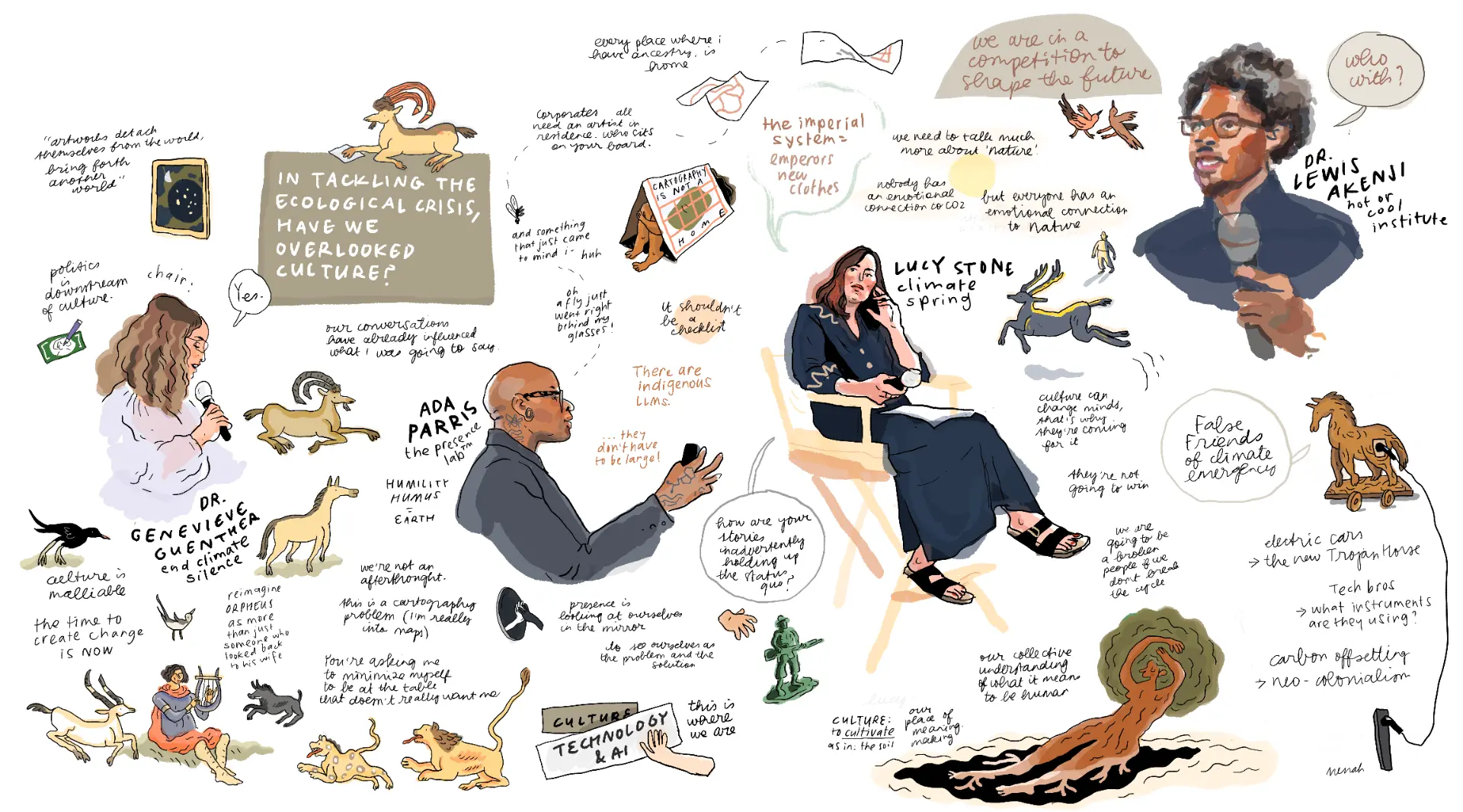
Cartography Is Not Home.
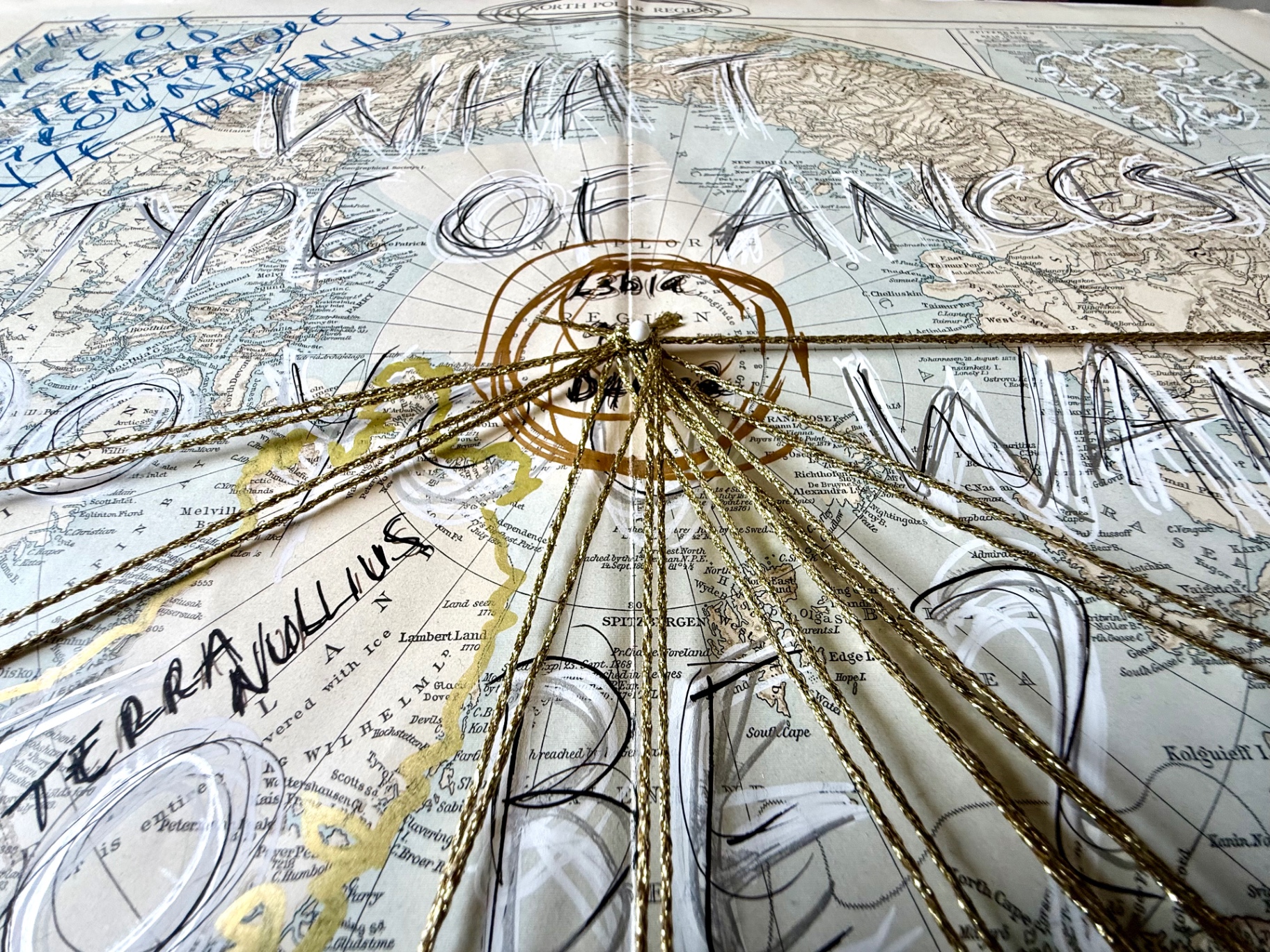
Maps drew the lines of extraction. Algorithms redraw them at scale.
This research traces how colonial mapping lives on inside AI systems. Through vintage maps, soil recordings and field work.
It is where every keynote, sitting and residency begins.
Co-produced with nature. Soil, rivers and birdsong shape this work. I name them as collaborators, not subjects.
A-ya Kukamíria Majé, Kukama-Kukamíria people.
Indigenous knowledge guidance and Free, Prior, and Informed Consent (FPIC) mentorship.
All partnerships follow Free, Prior, and Informed Consent principles.
The same question, asked as the technology changed.
Each framework began as a question. Each question arrived as the technology changed.
The technology: GDPR arrives. Cambridge Analytica breaks.
Why it mattered: Data had just been used to move votes. Freedom was being decided by people we never saw.
The technology: OpenAI holds back GPT-2 as too dangerous to release.
Why it mattered: The makers feared what they had made. We were already treating machines as sacred. We just weren't saying it.
The technology: GPT-3 launches as Covid moves life online.
Why it mattered: Our selves moved online overnight. Machines began to write like us.
The technology: The EU proposes the first law to govern AI.
Why it mattered: The rules were being written before the questions were asked. So I asked them in the open. 26 words, one at a time.
The technology: ChatGPT launches in November.
Why it mattered: The world sped up. My body made me stop. Stillness became part of the method.
The technology: GPT-4 arrives. The UK hosts the first AI Safety Summit.
Why it mattered: Safety was being decided in a few rooms. Sound let people hear who was missing.
The technology: Generative AI goes mainstream. The EU AI Act passes.
Why it mattered: Machines were taking on our thinking. The elements gave leaders somewhere to stand.
The technology: The question shifts from what AI can do to what it does to us.
Why it mattered: Every system was built to take our attention. Presence is how we take it back.
The technology: The UN votes to “Correct the Map”, 164 to 1.
Why it mattered: Old maps decided who counted. The data that trains AI carries those lines forward.
From mapping systems to navigating complexity. Longlisted by Computer Weekly every year since 2020.
This research shapes every keynote, sitting and residency. See how we can work together.